Home / Services / Blown-In Insulation
Materials Compared
Blown-In Insulation, Knoxville & Chattanooga
Loose-fill is cheap per inch. Depth is the whole argument.
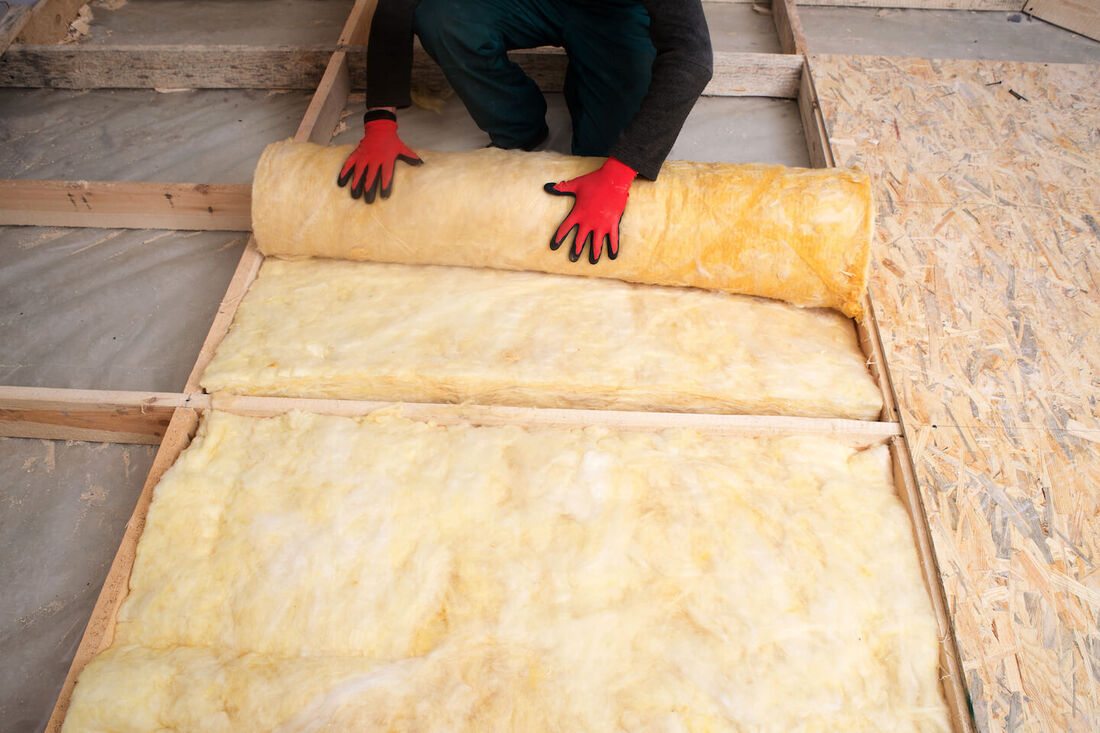
Blown-in insulation is loose material — cellulose or loose fiberglass — fed through a hose and blown into an attic or a wall cavity until it reaches a target depth. It is the fastest way to add R-value to an accessible attic floor, and it is genuinely good at that one job. What it cannot do is seal the building. This page is the honest comparison, for homeowners in Knoxville and Chattanooga deciding between topping up what they have and changing the strategy entirely. Call (423) 226-6464.
Cellulose and Loose Fiberglass Are Not the Same
Cellulose is recycled paper fibre treated for fire and pest resistance. It is denser than loose fiberglass, packs tighter around obstructions and slows air movement a little better. Loose fiberglass is lighter, does not absorb moisture the way cellulose does, and settles less over time. Neither is an air barrier. Both are sold by the bag and installed by depth, and in both cases the number that matters is the depth measured after it has settled, not the depth on the day the hose was switched off.
The Settling Problem
Loose-fill compacts. Cellulose settles noticeably over its first year or two; loose fiberglass settles less but still loses some depth. An attic blown to a stated R-value when the house was built is very often well below it a decade later, and nobody goes up there to check. If your attic floor insulation is level with the top of the joists, it has probably lost a good part of what you paid for.
That is also why topping up is such a common job. It is inexpensive, it is quick, and if the attic floor is the right place to be insulating your house, it is the right answer.
When the Attic Floor Is the Wrong Place
Here is where we would push back. Insulating the attic floor leaves the attic itself unconditioned. In a Tennessee July that space runs extremely hot. If your air handler and ductwork live up there — and in a great many Knoxville and Chattanooga homes they do — then your cooling system is working inside an oven, and no amount of loose-fill on the floor beneath it changes that.
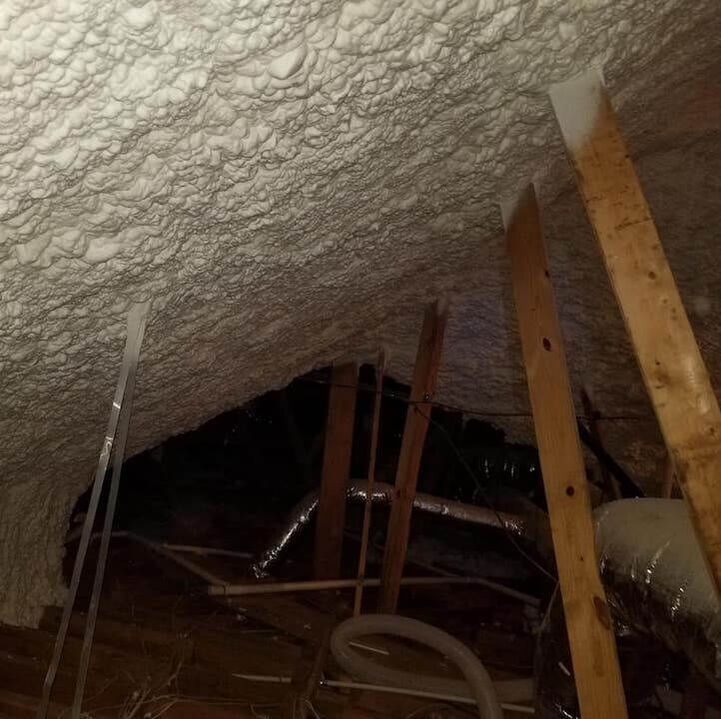
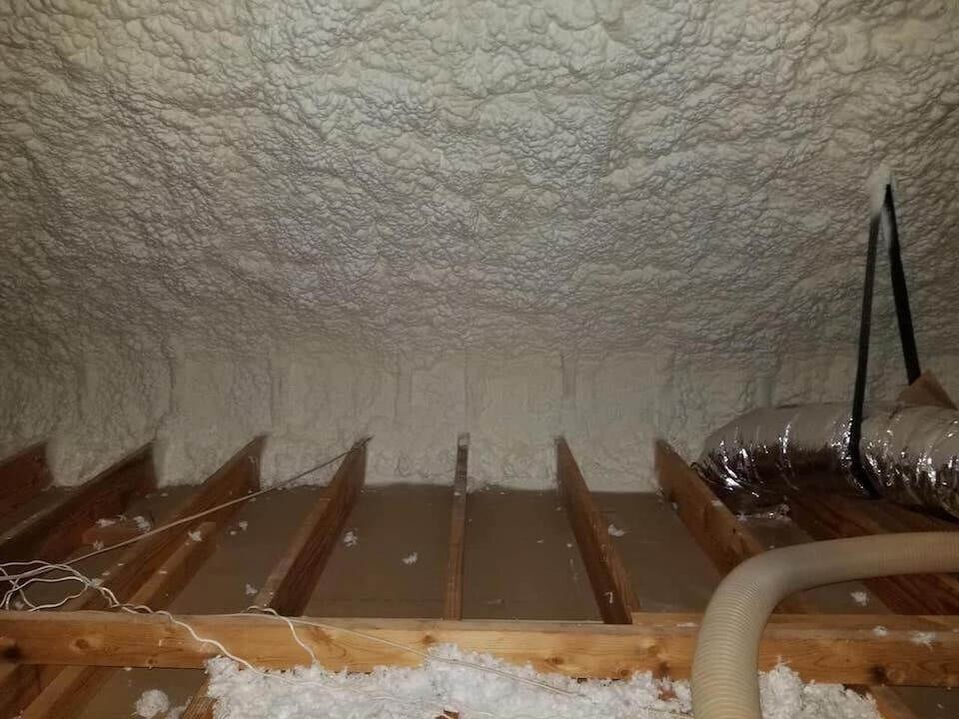
Sealing the roof deck with foam instead brings the whole attic inside the building envelope. The ducts are then in conditioned space. It costs more and it changes more. Our attic insulation and open cell pages explain how that is built.
Blown-In Into Existing Walls
Dense-pack into closed wall cavities is a real retrofit option on older homes, done by drilling and filling bay by bay. It works, it is far less disruptive than opening walls, and it is the right call on a house where the walls are the problem and the finishes have to stay. Expect it to reduce air movement rather than stop it.
What We Would Look At First
Before recommending anything we check three things: the measured depth of what is already there, whether the ceiling plane below it has ever been air sealed, and where the ductwork runs. Those three answers decide the job. Very often the highest-value work in a Knoxville house is not more insulation at all — it is sealing the top plate, the chases and the can lights that the insulation was sitting uselessly on top of.
Get an Honest Read on Your Attic
We will go up, measure it, and tell you whether you need a top-up, an air seal, or a different strategy altogether. The visit and the written estimate are free. Call (423) 226-6464, or in Knoxville (865) 503-5486, or use our contact page.
Questions
Blown-in questions
Can you blow new insulation on top of old?
Over sound, dry material, yes — that is the normal top-up job. Over wet, matted or contaminated material, no, because you would be burying a problem.
Is cellulose better than loose fiberglass?
Cellulose packs tighter around obstructions; loose fiberglass handles damp better and settles less. Which one suits depends on the attic, not on a general ranking.
How deep should attic insulation be?
Deep enough to hit the R-value target for this climate zone, measured after settling. We measure what is there before quoting anything.
Does blown-in insulation stop drafts?
No. Loose-fill slows heat but air still moves through it. If you can feel a draft, the fix is air sealing, and adding depth on its own will disappoint you.
Not sure whether to top up or change strategy?
We will measure what is in your attic and give you both options with the reasoning.
Free written estimates • No obligation • Local crews