Home / Services / Fiberglass Insulation Knoxville
Materials Compared
Fiberglass Insulation Knoxville, TN
Where fiberglass still earns its place, and where it quietly fails.
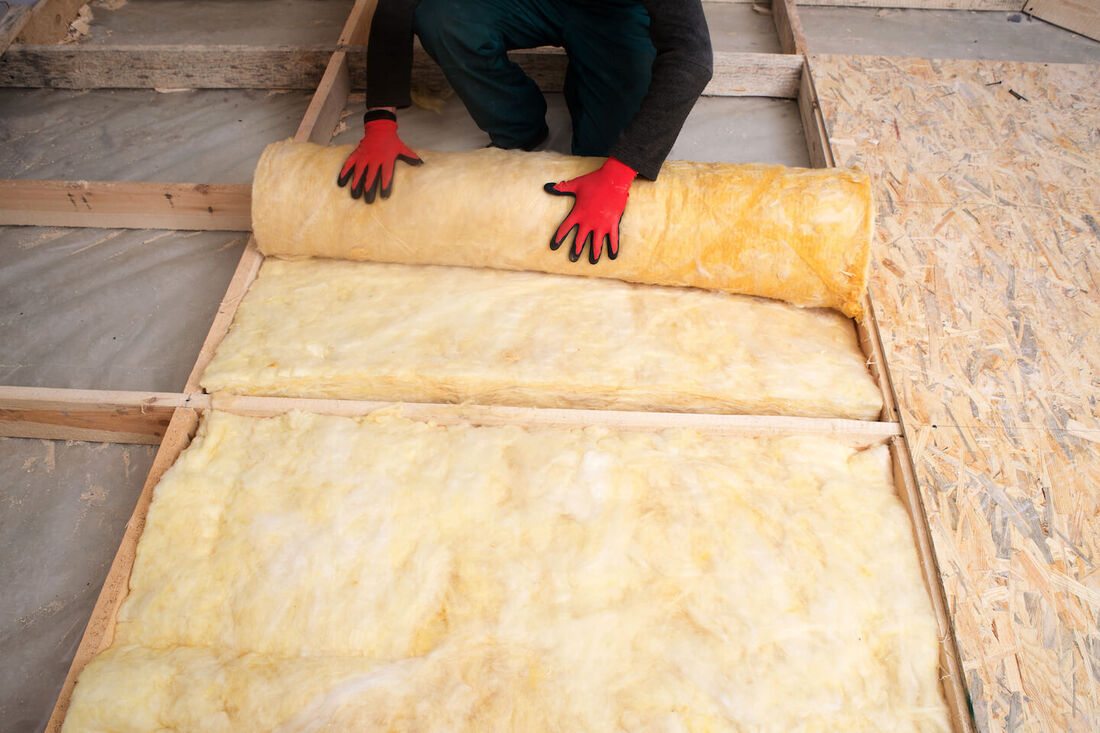
Fiberglass is the material most Knoxville houses already have. It comes as batts cut to fit between framing, or as loose fiberglass blown onto an attic floor. We are a spray foam company, so you should read what follows knowing that — but we would rather give you a straight comparison than pretend fiberglass is worthless. It is not. It is a material with a specific weakness, and that weakness happens to be the thing that matters most in East Tennessee. Call (865) 503-5486 if you want it looked at.
What Fiberglass Does and Does Not Do
Fiberglass resists conductive heat flow. Trapped air inside the glass fibres slows heat moving through the material, and the R-value printed on the packaging is a real measurement of that. What fiberglass does not do is stop air. It is porous by design. Air moves through it more or less freely, carrying heat and humidity with it.
In a dry climate with a tight building, that limitation barely shows. In a humid valley climate with houses that leak at the top plate, the rim joist and every penetration a plumber ever made, it shows constantly. The insulation tests fine and the room is still cold, because the problem was never conduction.
Where Fiberglass Goes Wrong in Practice
Most of the failing fiberglass we see failed for installation reasons rather than material reasons:
- Compression. A batt squashed behind a wire or a pipe loses a large share of its rated value at that spot.
- Gaps. Batts cut short, or left to bridge over a recessed light, leave a direct path that the rating never accounted for.
- Settling. Blown fiberglass on an attic floor loses depth over years, and depth is the whole of the R-value.
- Moisture. Damp fiberglass loses performance and does not shed the water, because the fibres hold it against the framing.
- Rodents. Loose material is nesting material. Spray foam is not.
When We Would Tell You to Keep Fiberglass
If the attic floor has good, deep, dry, undisturbed blown fiberglass and the ceiling plane below it has been air sealed properly, the honest advice is to leave it alone and spend the money somewhere it will do more — usually the crawl space or the rim joist. We would rather say that than sell you a tear-out you did not need. Fiberglass also remains sensible in large accessible areas where budget is the binding constraint and the assembly stays dry.
Blown Fiberglass Versus Spray Foam in an Attic
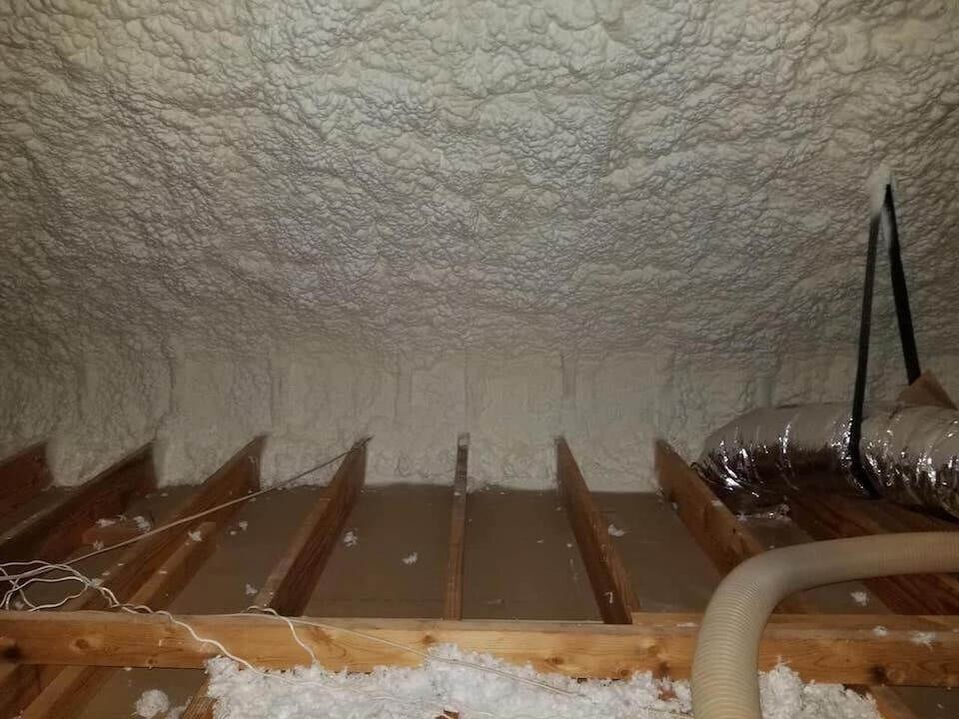
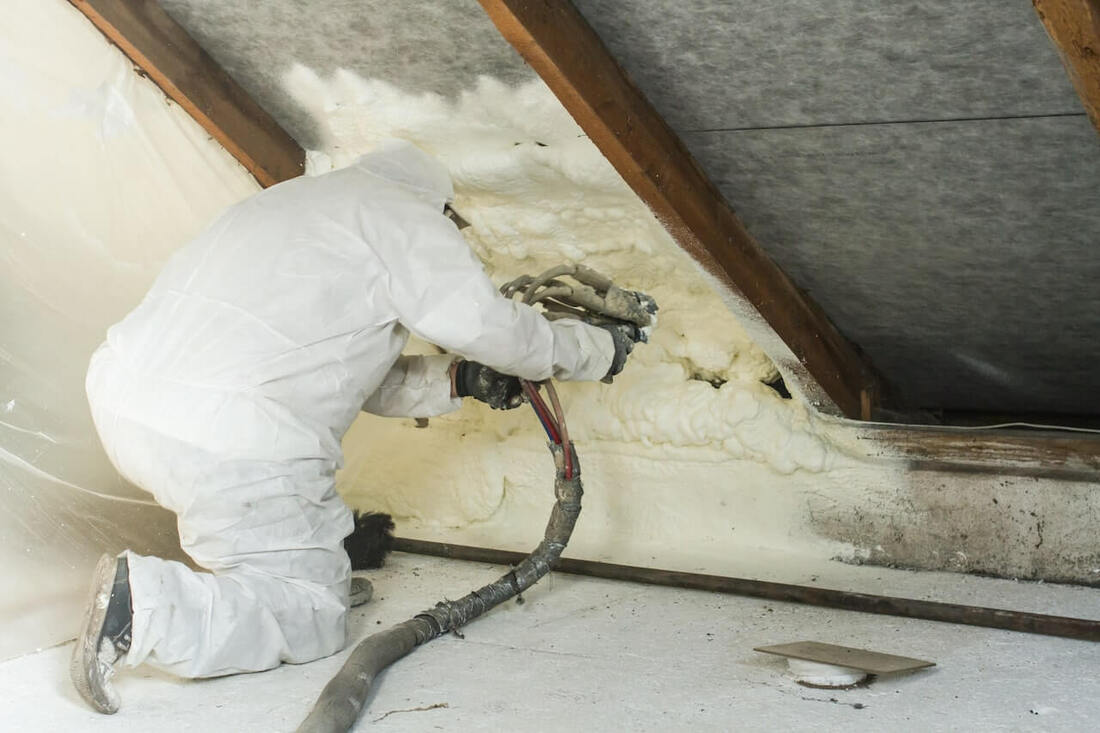
These are not the same strategy. Blown fiberglass insulates the attic FLOOR, leaving the attic itself hot and the ductwork in it outside the conditioned space. Spray foam on the roof deck insulates the attic ENVELOPE, bringing the ducts and air handler inside. The first is cheaper. The second is why summer electricity bills change. If you are weighing the two, our pages on attic insulation and blown-in insulation set the options side by side.
Removal and Replacement
Where the existing fiberglass is wet, flattened, contaminated or full of nesting, it has to come out before anything else happens. Foam needs a sound substrate to bond to, and burying damaged material under new insulation just hides it. That removal is quoted up front on the written estimate, never added later.
Ask for the Comparison
We will come and look, tell you what is in the building now, and give you both answers: what it would cost to do this in foam, and whether we think you should. Call (865) 503-5486 or use our contact page.
Questions
Fiberglass questions
Do I have to remove my old fiberglass?
Only where it is wet, compressed, contaminated or disturbed. Sound, dry material in an accessible area can often stay, and we will say so rather than quote a tear-out you do not need.
Is fiberglass cheaper than spray foam?
Per square foot installed, generally yes. The comparison that matters is what each one does to the air leakage in your particular building, which is what the site visit establishes.
Why does my insulated attic still get hot?
Because insulating the attic floor does not cool the attic. If the ductwork runs through that space, it is working in extreme heat regardless of what is on the floor beneath it.
Can you spray foam over existing fiberglass batts?
No. Foam has to bond to a sound substrate, and spraying over batts gives it nothing to hold onto.
Want to know if your existing insulation is worth keeping?
We will look at what is already in the building and tell you straight.
Free written estimates • No obligation • Local crews